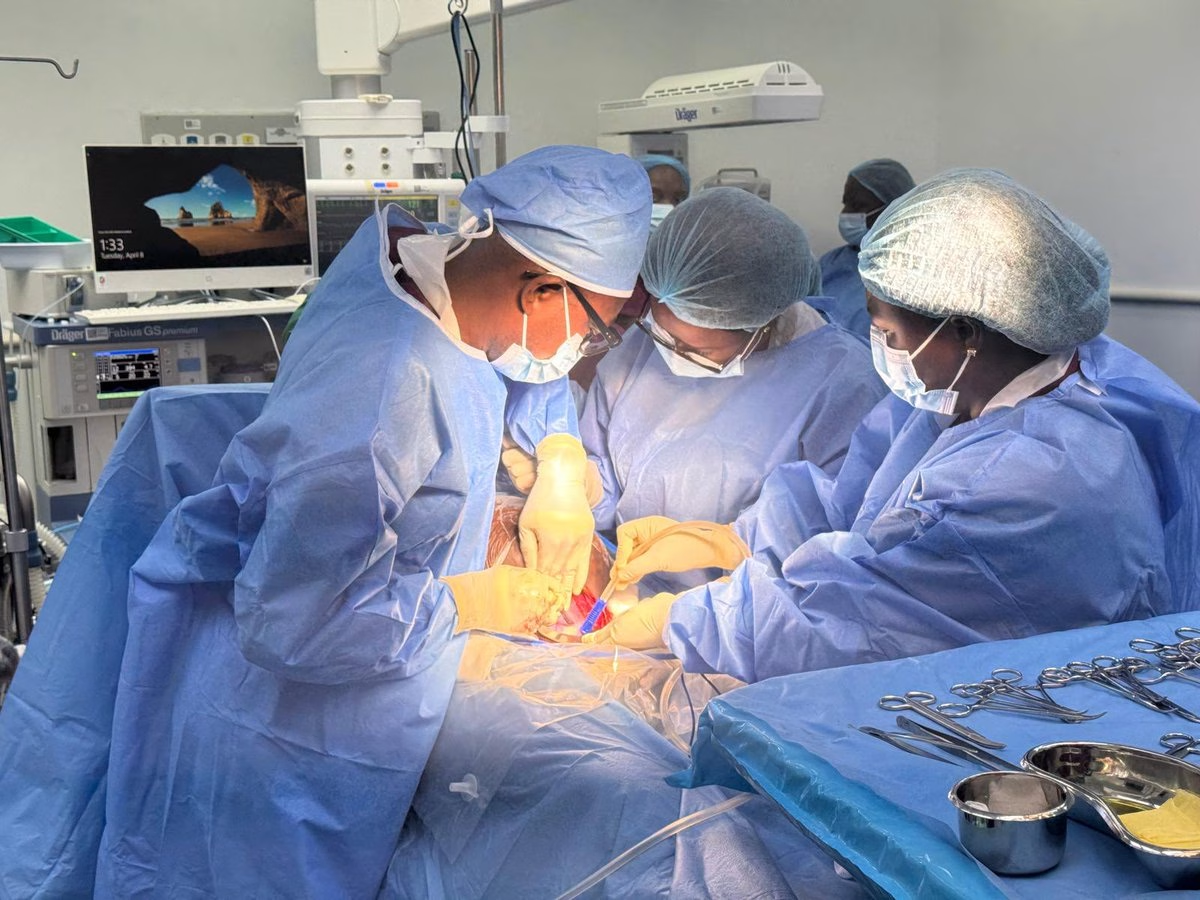
The University of Ghana Medical Centre (UGMC) has successfully performed Ghana’s first laparoscopic bariatric surgery, marking a major milestone in the country’s medical advancement and a proactive step in addressing the rising obesity crisis.
The groundbreaking procedure, known as laparoscopic sleeve gastrectomy, involves removing a significant portion of the stomach to aid weight loss. The minimally invasive surgery was conducted by a multidisciplinary team at UGMC, led by Dr. Kennedy Ondede, a bariatric surgeon and Head of Surgery at Kenyatta National Hospital in Nairobi, Kenya. The initiative received support from Medtronic and East Cantonment Pharmacy Limited.
Dr. Ondede explained that the procedure, often called “keyhole surgery,” removes about 60–80% of the stomach, which helps reduce food intake while preserving nutrient absorption.
“This surgery is not merely for appearance—it plays a crucial role in managing obesity-related health conditions such as hypertension, type 2 diabetes, infertility, and joint disorders,” he said. “Many patients have gone on to have children and stopped taking daily medication for chronic illnesses.”
The surgery is typically recommended for individuals with a Body Mass Index (BMI) above 30, classified as obese by World Health Organization (WHO) standards. According to Dr. Ondede, patients can expect to lose up to 80% of their excess weight within one to two years post-surgery.
He noted that while generally safe, the surgery does carry risks such as infection, staple line leakage, and malnutrition, particularly without proper post-operative care. However, when performed with the right equipment and expertise, success rates are above 90%.
He also encouraged lifestyle changes for those not considering surgery—especially reducing sugar intake, improving diet, and exercising regularly.
Dr. Dominic Darkwa, Consultant General Surgeon at UGMC and co-lead on the case, said the hospital had spent over a year preparing to introduce bariatric surgery.
“With 17–20% of Ghana’s adult population living with obesity, there is a significant need to address related health risks like heart disease, diabetes, arthritis, and respiratory complications,” he said. “This surgery is just the beginning of expanding services that help Ghanaians take back control of their health.”
He also distinguished the sleeve gastrectomy from the gastric bypass, explaining that while the sleeve reduces stomach size, the bypass reroutes the digestive system to limit absorption.
“The surgery alone isn’t a cure—it’s a tool. Patients must follow through with nutrition, psychological support, and exercise. Our goal is to scale this programme to serve more Ghanaians,” he added.
Dr. Baffoe Gyan, Director of Medical Affairs at UGMC, described the procedure as a landmark achievement in UGMC’s mission to provide world-class healthcare locally.
“This is life-changing—it reduces disease risks, cuts medication dependency, and transforms lives. Many Ghanaians travel abroad for this service, but now they can access it right here,” said Dr. Gyan, who is also a Cardiothoracic Surgeon.
He added that many Ghanaians have a genetic predisposition to obesity, and for those who have struggled with traditional weight-loss methods, bariatric surgery offers a viable alternative.
The operation involved a team of over 30 specialists, including surgeons, anesthetists, perioperative nurses, dietitians, and equipment partners. Each procedure lasted between two and three hours, owing to its teaching nature.
Patients typically begin a liquid diet within 24 hours post-surgery and are usually discharged in three days, with regular follow-ups from nutritionists and psychologists forming a crucial part of the recovery plan.
UGMC is now encouraging eligible individuals to enroll in its bariatric programme, which includes a comprehensive support system before and after surgery.