
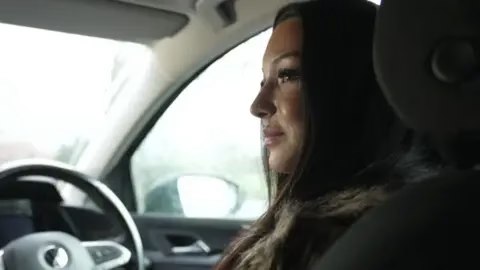
- Learner drivers in England and Wales could face a 6-month minimum period between theory and practical tests
- The government’s strategy aims to cut road deaths by 65% overall and 70% for children under 16
- Measures include lower drink-driving limits, tech-based solutions, and potential licence suspensions for offenders
Learner drivers in England and Wales could face a minimum waiting period of up to six months between passing their theory test and taking their practical driving test, the BBC can reveal.
The government plans to introduce the measure, which will be subject to consultation, as part of its broader road safety strategy unveiled on Wednesday. The strategy also includes proposals to lower the drink-driving limit in England and Wales to match Scotland’s regulations.
The reforms aim to reduce the number of people killed or seriously injured on UK roads by 65% over the next decade, and by 70% for children under 16. Around a fifth of all serious injuries or deaths from crashes involved young drivers in 2024.
Officials believe that implementing a minimum period between the theory and practical tests would help learner drivers gain more experience, including driving in different conditions. The Department for Transport plans to consult for three to six months on the proposed minimum learning period, which would include both formal lessons with instructors and informal learning with parents or guardians.
Evidence from other countries suggests that such a requirement could reduce collisions by up to 32%. Currently, learners can start lessons at 17 and take their practical test immediately after passing the theory exam.
Most driving tests in the UK are taken by under-25s, with about 55% of tests in 2024-25 taken by drivers aged 17-24. Due to a backlog from the Covid pandemic, the average waiting time for practical tests is already around six months, expected to last until late 2027. If introduced, the changes could mean teenagers would no longer pass their test immediately after turning 17, making the youngest newly qualified drivers at least 17 and a half.
Graduated Driving Licences (GDLs)
Campaigners have long called for graduated driving licences (GDLs) in the UK, which in other countries can restrict night driving or carrying passengers for newly qualified drivers.
Sharron Huddleston, whose daughter Caitlin died in a crash aged 18, has campaigned for GDLs for eight years. She supports the minimum learning period, but says post-test restrictions are also essential to save young lives. Caitlin’s crash involved passengers her own age, and Huddleston believes GDLs could have prevented it.
The AA has welcomed the new government measures but described the lack of GDLs as a missed opportunity. AA president Edmund King said evidence from countries like Australia and Canada shows that limiting passengers for six months saves lives. “The learning period will help, but does it go far enough?” he added.
Other Road Safety Measures
The strategy also targets speeding, drink and drug driving, seat belt non-use, and mobile phone use. Novice drivers would face a lower drink-driving limit, similar to Northern Ireland.
The government plans to introduce technology-based solutions, such as built-in breathalysers that prevent vehicles from starting if drivers are over the limit, and new powers to suspend licences for suspected drink or drug driving.
The strategy will also research headlight glare to improve safety.
Voices from Young Drivers
Twenty-one-year-old Alisa Fielder from Surrey shared her experience of a crash a year after passing her test. Although nobody was injured, her car was written off. She admitted she took too long checking her blind spot and felt additional lessons could have prevented the accident. Alisa completed an informal assessment with IAM RoadSmart and stressed that driver training should continue after passing the test.
Government Perspective
Local Transport Minister Lilian Greenwood highlighted that young people make up just 6% of drivers but are involved in nearly a quarter of fatal and serious collisions. She said the proposed minimum learning period aims to give young drivers more time to build confidence and experience in different driving conditions, reducing risks for themselves and others.