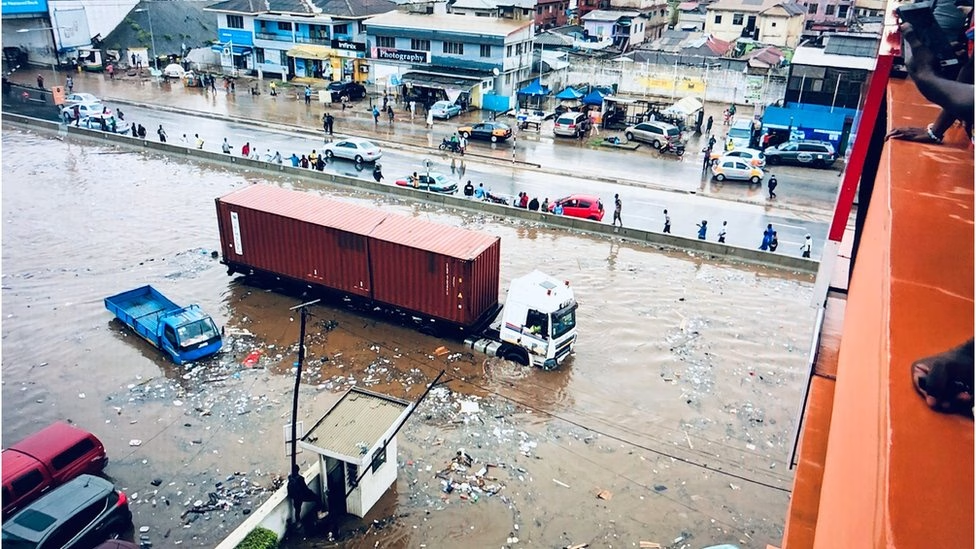
As Ghana intensifies efforts against climate change, the Greater Accra Resilient and Integrated Development Project (GARID) is transforming parts of the capital. Flood-prone areas like Nima, Alajo, and Akweteman have seen upgraded drains, cleaner waterways, and improved living conditions.
Yet in Odawna, just a few kilometers away, residents feel largely neglected. Frequent floods and extreme heat continue to disrupt daily life, exposing the growing inequality in Ghana’s climate adaptation efforts.
GARID Brings Relief — But Not Everywhere
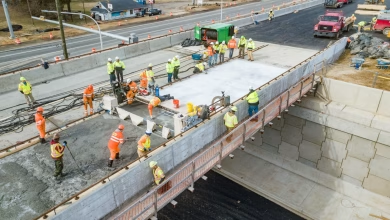
In neighborhoods like Nima and Alajo, the impact of GARID is evident. New concrete drains, raised walkways, and better waste management have reduced waterlogging, making communities safer and more livable.
Backed by the World Bank and Ghana’s Ministry of Works and Housing, the project aims to protect vulnerable communities from urban flooding and climate shocks.
In contrast, Odawna faces stark disparities. Drone footage shows submerged homes, damaged clinics, and clogged drains. Torrential rains this year displaced over 3,000 residents, overwhelming local infrastructure.
“It’s Not Just Water — It’s Deadly”
For Odawna residents, each rainstorm brings fear.
- Mary Klottey recounts: “The roads were flooded. I couldn’t move and had to watch my child suffer until the water receded.”
- Another resident adds: “Two people drowned in the gutter just here. This is dangerous. It’s not just water — it’s a killer.”
Floods not only threaten lives but also destroy property and disrupt access to healthcare and schools, deepening poverty and vulnerability.


After the Floods Comes the Heat
Once the rains subside, extreme heat becomes a new threat.
- Seth Kusi, a glass repairer, explains: “It’s like an oven inside. I can’t sleep. My skin itches, and I feel dizzy most nights.”
Odawna’s makeshift homes trap heat due to minimal ventilation and lack of green cover. Experts warn of the urban heat island effect, which increases health risks.
A study by Dr. Ebenezer Amankwah, University of Ghana, found nighttime temperatures in Odawna can be 6°C higher than the national average, worsening dehydration and heat-related illnesses.
“When floodwaters damage clinics and rising heat shuts down equipment, healthcare collapses. Climate-proofing these areas is essential,” Dr. Amankwah stressed.
Healthcare on the Brink
Floods have severely affected local clinics. Footage shows submerged facilities, soaked medical equipment, and patients waiting in sweltering heat.
Dr. Amankwah emphasizes the need for climate-proofing, including cooling systems, raised foundations, and protected power supply.
Community Efforts Amid Challenges
Despite hardships, residents are adapting: raising beds, manually clearing drains, and organizing local clean-ups.
Dennis Nartey, NADMO Regional Director, notes: “Odawna is part of the government’s long-term plan, including dredging the Odaw River.”
Officials from the EPA and Ministry of Works and Housing report progress:
- Tree planting and reducing glass in homes help mitigate urban heat, according to Prof. Nana Ama Klutse, EPA CEO.
- Richard Kofi Amekor, Head of MWH Drainage, confirms Odaw River dredging is underway to reduce flooding.
Experts agree that extending GARID’s reach to Odawna and other vulnerable areas is crucial to saving lives and ensuring inclusive climate resilience.
A Hopeful Outlook
Despite risks, Odawna residents are demonstrating resilience and determination: children plant trees, youth lead clean-ups, and women rebuild small shops.
“GARID shows that change is possible. We just need it to reach everyone,” says a volunteer resident.
As Accra faces intensifying climate challenges, experts stress that inclusive, community-driven solutions will determine whether urban resilience becomes a reality or remains a promise on paper.