
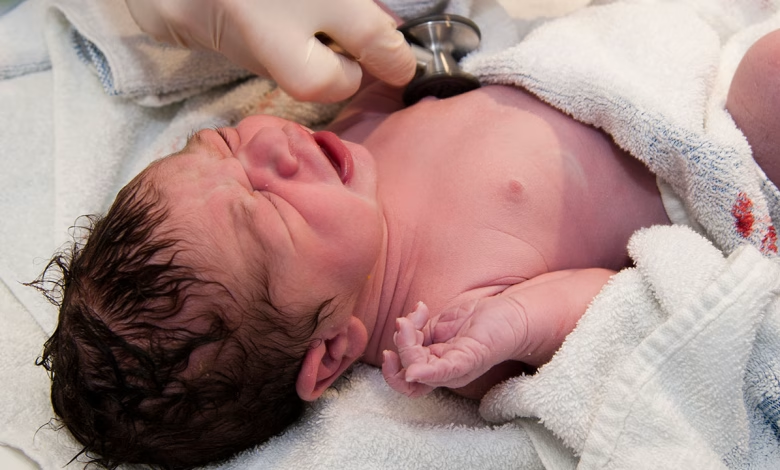
- All UK newborns to receive whole-genome sequencing
- Screening aims to detect and prevent hundreds of diseases early
- Shift from treatment to prevention in NHS healthcare model
Under this plan, whole-genome sequencing will be used to screen for hundreds of genetic conditions, enabling earlier detection and prevention of life-threatening diseases, according to Health Secretary Wes Streeting.
In an interview with The Telegraph, Streeting outlined a major shift in NHS priorities—from treating illness to preventing it. DNA testing and other tools of personalised medicine will play a central role in this transformation. The government has committed £650 million to genomics research to support this change.
“The advances in medical science offer us the chance to reshape the NHS over the next decade—moving from a system focused on diagnosing and treating illness to one that predicts and prevents it,” Streeting said.
“Genomics gives us the ability to get ahead of diseases rather than responding after they appear.”
The government’s new Life Sciences Sector Plan is due to be released in early July.
Currently, newborns receive a blood spot test around five days after birth to detect nine rare but serious conditions. This involves pricking the baby’s heel to collect blood on a card. In contrast, genome sequencing typically uses a blood sample from the umbilical cord shortly after delivery.
Streeting has previously expressed his ambition to make the NHS more focused on prevention, aiming to reduce severe health issues and lower long-term costs.
The NHS will also begin using technologies like artificial intelligence to predict illnesses and deliver earlier interventions.
“With the help of these cutting-edge tools, patients can benefit from personalised healthcare that prevents illness before symptoms arise—easing pressure on NHS services and helping people live longer, healthier lives,” said Streeting.
Alongside its preventative approach, the 10-year plan will include two additional key reforms: shifting care from hospitals to local communities, and transitioning from analogue systems to digital healthcare services.
This announcement follows Chancellor Rachel Reeves’ pledge to raise NHS funding by £29 billion annually in real terms over the next three years, as part of the government’s commitment to reducing waiting times and delivering on its election promises.