- GASAE and the French Armed Forces have launched a CBRN training course in Tema
- The programme began on January 26, 2026, at Michel Camp
- Training focuses on managing chemical, biological, radiological, and nuclear threats
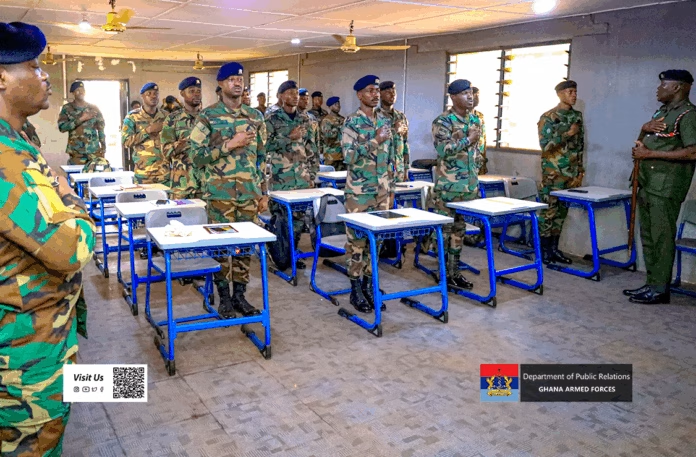
The Ghana Army School of Ammunition and Explosives (GASAE), in partnership with the French Armed Forces, has commenced a Chemical, Biological, Radiological and Nuclear (CBRN) training course at Michel Camp in Tema.
The programme, which began on Monday, January 26, 2026, is designed to provide participants with up-to-date technical expertise and best practices for effectively managing CBRN threats at the tactical, operational, and strategic levels.
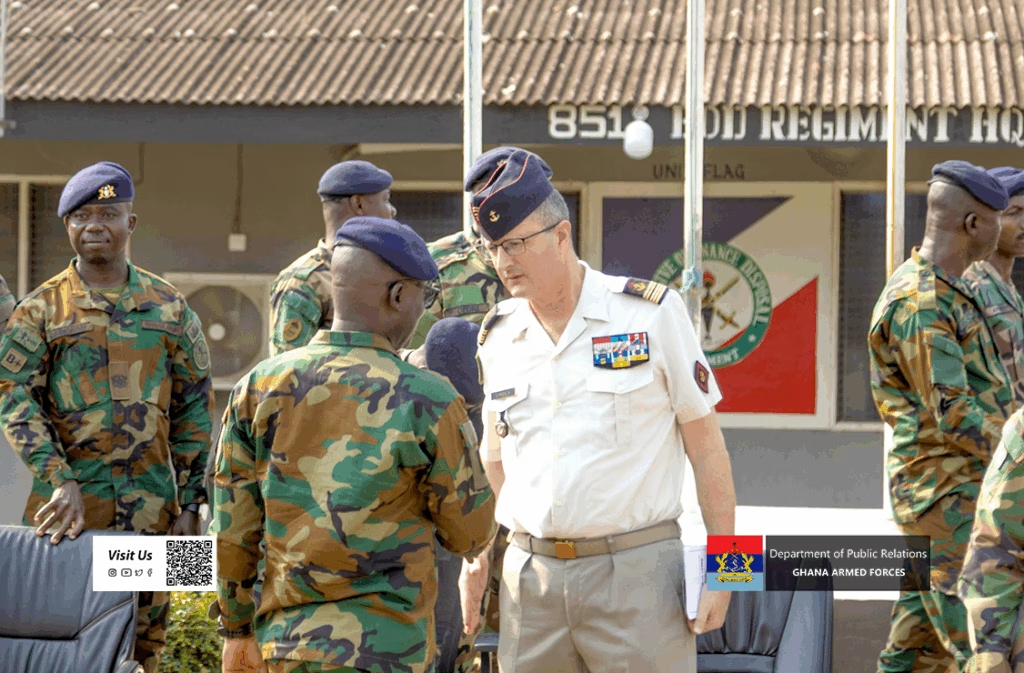
Delivering remarks at the opening ceremony as Guest of Honour, the Deputy Chief of Staff (Logistics) at Army Headquarters, Brigadier General Jude Bari Mwinyel, emphasised the growing importance of CBRN capabilities in modern military operations.
He explained that the ability to detect, deter, and respond to CBRN threats is vital not only for military preparedness but also for assisting civil authorities during national emergencies.
Brigadier General Mwinyel underscored the need for accuracy and strict compliance with established procedures in CBRN operations, cautioning that lapses could lead to severe consequences. He urged participants to fully grasp both the technical and operational components of the course.
The French Defence Attaché to Ghana, Colonel Grégoire Madelin, praised the Chief of the Army Staff for making CBRN capability a strategic priority within the Ghana Armed Forces. He reiterated France’s long-standing commitment to supporting Ghana’s defence training and described the course as a key foundation for more advanced CBRN programmes.
Colonel Madelin noted that the initiative reflects the strength and sustainability of the defence cooperation between Ghana and France.
Meanwhile, the Acting Commander of GASAE, Lieutenant Colonel Frank Tetteh-Kumah, expressed appreciation for the continued training support, adding that the course is particularly timely in light of emerging threats from industrial accidents, terrorism, and the misuse of hazardous materials.