
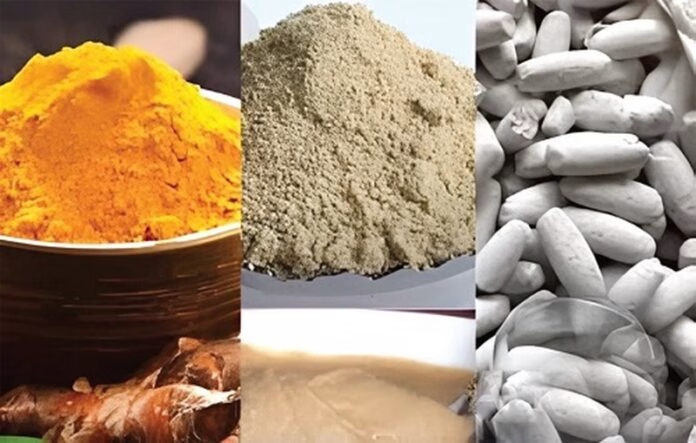
- FDA and UNICEF found alarming contamination in turmeric, cereal mixes, kohl, bentonite clay, and skin-lightening products
- Lead levels in some kohl samples were 100 times above safe limits, with unbranded local products most affected
- Cadmium and lead also detected in cereal mixes and bentonite clay; industrial sources cited as contributors
A recent study has uncovered dangerously high levels of lead, cadmium, and mercury in various food and cosmetic products across Ghana’s 16 regions. Conducted by the Food and Drugs Authority (FDA) in collaboration with UNICEF, the study analyzed 1,691 samples, including turmeric, cereal mixes, bentonite clay (ayilo), kohl (kajikaji), and skin-lightening creams and lotions commonly used by women and children.
Dr. Emmanuel Kyeremateng-Amoah, a health specialist with UNICEF, reported that some kohl samples contained lead levels as high as 11,000 ppm—100 times above the safe limit of 20 ppm. He noted that lead contamination was most common in unbranded, locally produced kohl, with a 78% failure rate in the Upper East and Eastern regions.
For turmeric, the study found a 42.1% failure rate for lead, particularly in branded, packaged products sold in supermarkets, with Greater Accra and Central regions being the most affected.
Other heavy metals were also detected: cadmium was present in 29% of cereal mixes nationally, while bentonite clay showed a 24.6% failure rate for lead, especially in the Northeast and Greater Accra regions. Dr. Kyeremateng-Amoah identified industrial sources such as used car batteries and improper e-waste handling as major contributors to contamination.
Looking ahead, UNICEF and partners are developing a national plan to tackle lead contamination. Dr. Kyeremateng-Amoah urged the Ministry of Health to be equipped to test and prevent exposure, while calling on the media to educate the public about the findings.
The FDA’s Deputy CEO, Roderick Kwabena Daddey-Adjei, highlighted the severe impact of lead on children, who absorb five times more than adults. He explained that even small amounts can harm kidney function, brain development, speech, hearing, learning, and behavior, and exposure during pregnancy can result in miscarriage or stillbirth. He stressed the urgent need for a national roadmap to protect children.
Mr. Daddey-Adjei also emphasized the importance of setting standards, training fabricators of local cooking pots, and raising public awareness on the dangers of heavy metals in food and water. He encouraged citizens to report food safety concerns to the FDA and stressed the need for adequate resources for testing and regulatory enforcement.
Additionally, Paulina S. Addy, Director of the Women in Agriculture Development Directorate at the Ministry of Food and Agriculture, proposed tax incentives for manufacturers of stainless steel utensils to encourage safer food practices. She reaffirmed the ministry’s commitment to collaborate with the FDA and other agencies to address food safety challenges nationwide.