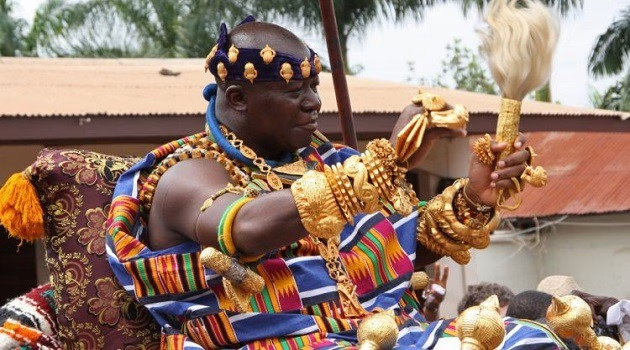
- Asantehene sets Nov 30–Dec 1, 2025 for final Bawku peace talks
- Two-day session marks the concluding phase of mediation efforts
- His Majesty commends both sides for cooperation and commitment
The Asantehene, Otumfuo Osei Tutu II, has set Sunday, November 30, and Monday, December 1, 2025, for what is expected to be the final stage of his mediation in the long-standing Bawku chieftaincy conflict.
A statement from the Manhyia Palace, issued on Monday, November 10, announced that the two-day meeting will represent a significant milestone in the Asantehene’s ongoing efforts to foster lasting peace between the feuding Kusasi and Mamprusi groups.
His Majesty commended both sides for their cooperation and dedication throughout previous discussions and urged all parties to continue maintaining peace as the dialogue approaches its conclusion.
“His Majesty applauds both sides for their constructive participation in the mediation process so far and appeals to all stakeholders to refrain from any actions that could undermine the progress toward a lasting resolution of the Bawku conflict,” the statement noted.
The Asantehene’s involvement in the peace process began in April this year, when he met with representatives of both factions from April 28 to April 30 to initiate renewed dialogue. The talks, which were briefly paused, resumed on May 13, during which the Asantehene observed that the discussions had contributed to a period of relative calm in the area.
In recent months, the Bawku municipality has faced intermittent violence and tension, with sporadic attacks resulting in loss of life and the enforcement of curfews by authorities to contain unrest. The ongoing conflict has disrupted livelihoods, strained inter-community relations, and drawn nationwide attention to the need for a durable peace settlement.
By scheduling the concluding mediation session, the Asantehene reaffirms his commitment to guiding both sides toward a mutually acceptable resolution and restoring enduring stability to the troubled area.
His leadership in the process has been widely recognized by traditional authorities, government officials, and peace advocates as a beacon of unity and wisdom in addressing one of Ghana’s most persistent conflicts.