- NADMO says public indiscipline is worsening flooding in urban areas
- Poor waste disposal and illegal structures identified as key causes
- New law to empower NADMO to demolish buildings in flood-prone zones
The National Disaster Management Organisation (NADMO) has cautioned that widespread indiscipline among the public is significantly hampering efforts to address flooding, particularly in Ghana’s urban areas.
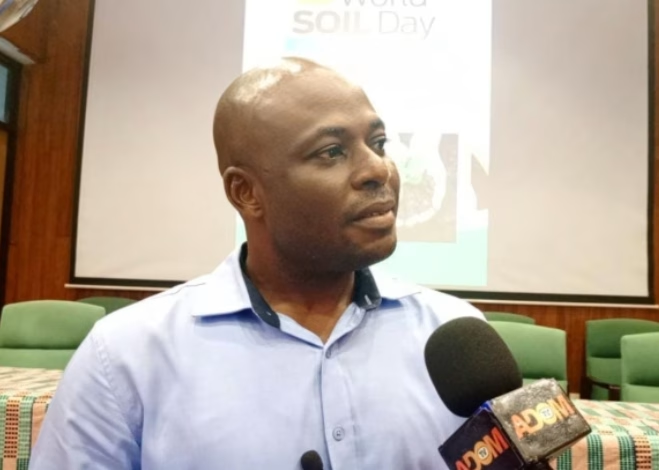
The Kumasi Metropolitan Assembly (KMA) NADMO Administrator, Jamal-Deen Ibrahim Seidu, attributed frequent flooding in the Ashanti Region to poor waste disposal practices, illegal construction, and disregard for drainage regulations.
Speaking on the sidelines of the World Soil Day celebration at the CSIR–Soil Research Institute in Kumasi, Mr Seidu stressed that combating floods would remain difficult without a change in public attitudes and behaviour.
“Flooding in the Ashanti Region is largely caused by indiscipline. People dump refuse into drains, obstruct waterways, and build on flood-prone lands. When it rains, the water has nowhere to flow,” he explained.
He disclosed that a new law awaiting presidential assent will grant NADMO the authority to demolish structures illegally built in flood-prone areas, thereby strengthening enforcement efforts.
“We need stronger legal backing to act decisively,” Mr Seidu said, adding that weak enforcement over the years has allowed encroachment on waterways to continue.
Despite these challenges, he noted that the region recorded relatively fewer flood incidents in 2025, attributing the improvement to intensified public education and awareness campaigns.
“Due to increased sensitisation, we did not experience any flood situations that escalated beyond control, particularly in the Kumasi metropolis,” he said.
Mr Seidu also revealed that NADMO has been conducting regular clean-up exercises across the city to clear choked gutters and remove waste, allowing rainwater to flow freely. These efforts, he said, played a key role in preventing severe flooding during the rainy season.
He further called on the government to modernise and expand drainage infrastructure, noting that many existing systems are outdated and unable to cope with increased rainfall resulting from climate change and rapid urbanisation.
The World Soil Day event, held under the theme “Healthy Soil for Healthy Cities,” brought together researchers, students, local authorities, and environmental groups to highlight the importance of responsible land use and proper waste management.
Mr Seidu urged residents to stop dumping refuse into drains, respect drainage easements, and report illegal developments, stressing that flood prevention is a collective responsibility.
“Together, we can reverse the flooding challenge,” he concluded.