- GWCL says continuous water flow cannot be guaranteed under the current tariff regime
- PRO Stanley Martey argues the 15.92% PURC-approved increase is far below operational needs
- Years of reduced tariffs have hindered GWCL’s ability to invest in infrastructure
The Ghana Water Company Limited (GWCL) says it will continue doing its best to maintain water supply nationwide, but Ghanaians should not expect continuous, 24-hour flow under the current tariff structure.
Speaking on PM Express, GWCL’s Public Relations Officer, Stanley Martey, explained that the newly approved 15.92% tariff increase by the PURC is far too small to support the level of investment needed to ensure uninterrupted water supply.
Responding to the regulator’s assertion that the increment strikes a balance between affordability and operational needs, Martey noted that even the PURC admits the amount is insufficient.
“Dr Shaffic Suleman has explained everything clearly, and he himself has acknowledged that the tariff allocated to us is inadequate,” he said.
“He admits it will be difficult for us to operate, but under the current circumstances, this is what they can offer.”
Martey added that GWCL will continue to deliver the best service possible, but years of tariff reductions have severely constrained operations and investment capacity.
“Yes, it is true—the amount is woefully inadequate—but we will still work to ensure consumers are served efficiently,” he said. “It’s challenging to invest or even manage day-to-day operations. If this continues, I don’t know what the future holds, but we will do our best to keep the system functioning.”
He explained that the PURC often cuts the company’s proposed adjustments, leaving GWCL without the resources to expand treatment plants, replace pipelines or maintain ageing infrastructure.
Host Evans Mensah referenced the rising cost of treating water due to galamsey pollution and asked whether GWCL can maintain supply with the new rate. Martey was direct.
“We have always admitted that there is a gap between demand and supply,” he said. “Bridging that gap requires major investments—new treatment plants, extended pipelines and other capital-intensive infrastructure.”
He stressed that the 15.9% increase is far from sufficient to clear GWCL’s debts or support borrowing for new projects.
“Is this 15.9% enough to save money or clean our books so we can seek a loan to expand our facilities? Absolutely not.”
Martey emphasised that while GWCL will try to keep water flowing, expectations must be realistic given the inadequate funding.
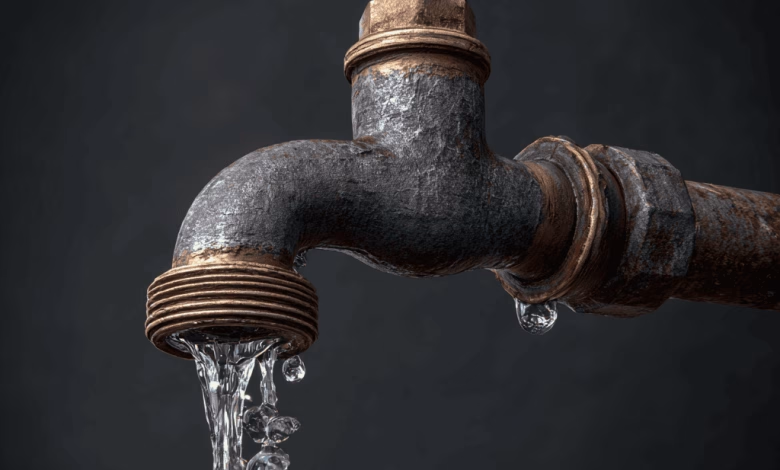
“We will try to keep the taps running, but it cannot be 24/7,” he said. “We can only achieve round-the-clock supply when we build new treatment plants, extend pipelines and expand the system—and this tariff cannot support that.”
For now, he said, GWCL will rely on strict demand-management strategies to ration the “little water in the system” until the financial shortfall is resolved.