- $360 million approved under World Bank’s Second Resilient Recovery DPO
- Finance Minister Ato Forson calls it a vote of confidence in Ghana’s progress
- World Bank’s Robert Taliercio emphasizes job creation and protecting the vulnerable
The World Bank has approved a $360 million financing package to support Ghana’s economic recovery signaling renewed confidence in the country’s reform efforts and future growth.
The funding, granted under the Second Resilient Recovery Development Policy Operation (DPO), is designed to help Ghana restore macroeconomic stability, rebuild investor trust, and advance key structural reforms to strengthen long-term economic resilience.
Announced today, the approval by the World Bank’s Board of Executive Directors represents a major endorsement of Ghana’s recovery strategy amid ongoing efforts to stabilize its economy.
The support, provided through the International Development Association (IDA), will focus on critical reform areas including fiscal discipline, financial sector stability, energy sector reform, and increased climate and social resilience.
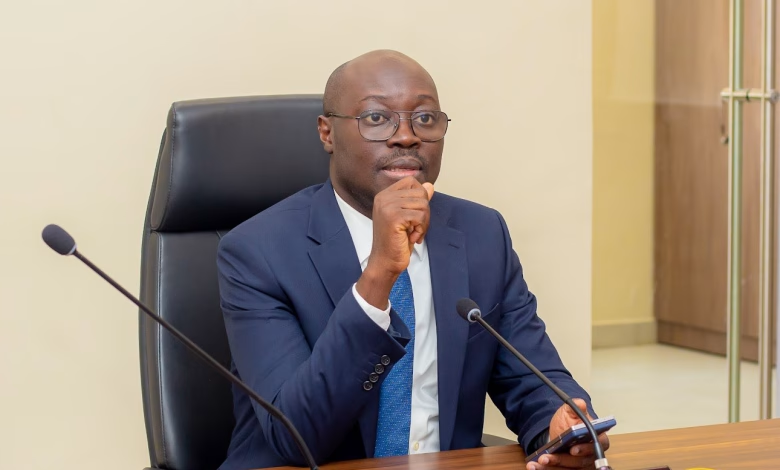
Finance Minister Hon. Cassiel Ato Forson welcomed the announcement, calling it a strong vote of confidence in Ghana’s progress under the IMF-supported economic reform programme.
“The successful rollout of the IMF programme and DPO initiatives has laid a strong foundation for recovery,” he said.
“This new support will deepen fiscal reforms, restore market confidence, and help us build a more inclusive and resilient economy.”
This operation is part of the World Bank’s broader response to Ghana’s economic challenges and sets ambitious goals: restoring fiscal health, promoting private-sector-led growth, stabilizing the financial system, reforming the energy sector, and enhancing resilience to climate and social risks.
Robert Taliercio, the World Bank’s Country Director for Ghana, Liberia, and Sierra Leone, stressed the urgency of sustained reform efforts:
“Ensuring fiscal and debt sustainability, creating jobs through private investment, and protecting the vulnerable are critical. These steps will revive Ghana’s private sector, bolster climate resilience, and improve lives across the country.”
The program also aims to improve domestic revenue mobilization, streamline energy sector operations, and integrate climate priorities into national policymaking—reflecting a broader shift from crisis management to building long-term economic sustainability.